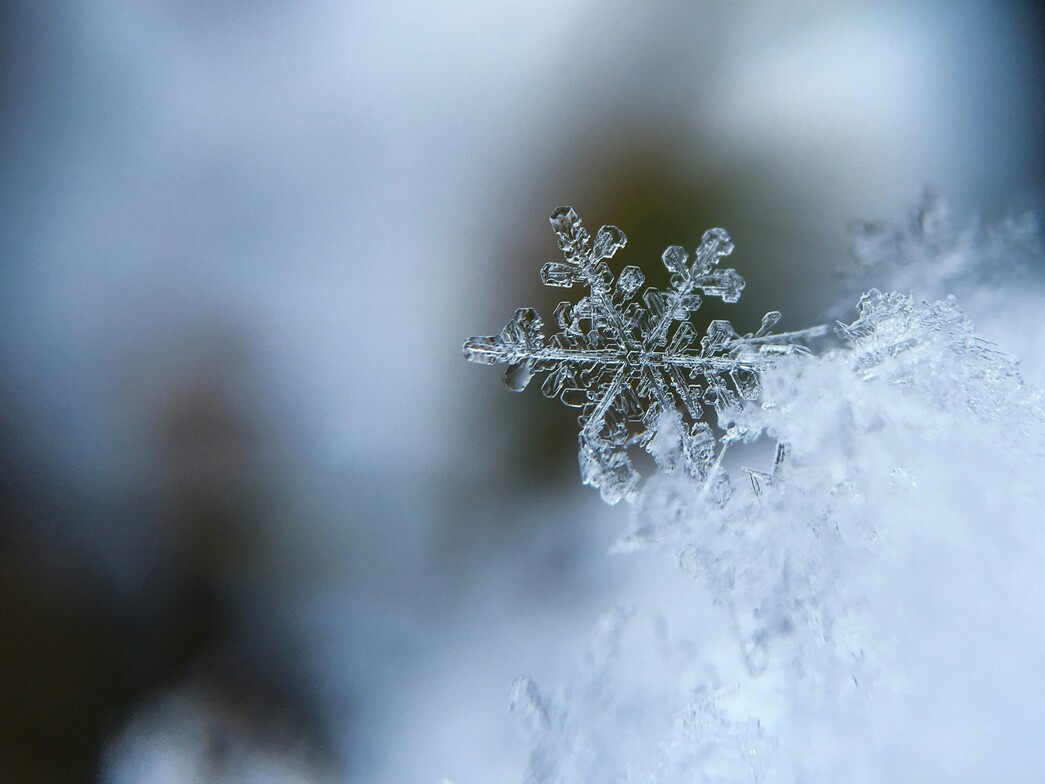
For those of us living in Onondaga County, snow is an inescapable reality for a significant portion of the year. From the first dusting to the final slushy melt, it blankets our landscape, transforms our routines, and, for many, subtly – or not so subtly – impacts our mental well-being.
It’s easy to romanticize snow: the quiet beauty of fresh flakes falling, the joy of a snow day, the cozy feeling of being tucked inside. And for some, these aspects genuinely bring a sense of peace or childlike wonder. The crisp air on a sunny winter day can be invigorating, and activities like skiing or snowboarding offer a fantastic outlet for physical and mental energy.
One of the most common challenges is the sheer logistical burden. Snow means shoveling, scraping, navigating slippery roads, and often longer commutes. This added stress, day after day, can chip away at our patience and energy levels. It can make everyday tasks feel monumental, leading to feelings of overwhelm and frustration.
Then there's the isolation. While a snowstorm might mean a cozy day in, prolonged periods of heavy snow or extreme cold can lead to reduced social interaction. We might cancel plans, avoid going out, and find ourselves spending more time alone. For those already prone to loneliness or depression, this can exacerbate feelings of isolation and sadness.
The reduced daylight hours, a common feature of winter in our region, also play a significant role. Shorter days and often overcast skies mean less exposure to natural light, which can disrupt our circadian rhythms and impact mood. This is a key factor in Seasonal Affective Disorder (SAD), a type of depression that often emerges in the fall and winter months. Symptoms like low energy, difficulty concentrating, increased sleep, and feelings of hopelessness can become more pronounced as the snow piles up.
So, what can we do to mitigate these impacts and protect our mental health during Onondaga County's long winter?
-
Embrace the Light (Even When It's Scarce): Maximize natural light exposure whenever possible. Open blinds, sit near windows, and consider a light therapy lamp if you experience SAD symptoms. Even a short walk outdoors, even on a cloudy day, can make a difference.
-
Stay Connected: Make a conscious effort to combat isolation. Schedule regular calls or video chats with friends and family. Explore indoor social activities, join a class, or volunteer. Don't let the snow be an excuse to completely retreat.
-
Prioritize Movement: It's harder to be active when it's cold and slippery, but physical activity is a powerful mood booster. Find indoor workouts you enjoy, or bundle up and brave a walk if conditions permit. Even short bursts of activity can help.
-
Practice Self-Care: This is crucial. Ensure you're getting enough sleep, eating nutritious meals, and engaging in activities that bring you joy and relaxation. This might look like reading a book, taking a warm bath, listening to music, or pursuing a hobby.
-
Seek Professional Help: If you find yourself struggling significantly with persistent sadness, hopelessness, lack of energy, or other concerning symptoms, please reach out to a mental health professional. You don't have to navigate these challenges alone. Onondaga County has many resources available.
-
Find the Small Joys: Try to shift your perspective, even just a little. A warm cup of coffee, a cozy blanket, the quiet beauty of a snow-covered tree outside your window – sometimes it's the little things that can brighten a grey day.
Snow in Onondaga County is more than just precipitation; it's a force that shapes our daily lives and, consequently, our mental landscapes. By acknowledging its potential impact and proactively implementing coping strategies, we can better navigate the winter months and emerge into spring with our well-being intact. Stay warm, stay connected, and be kind to yourself.

Jessica Butler
Contact Me