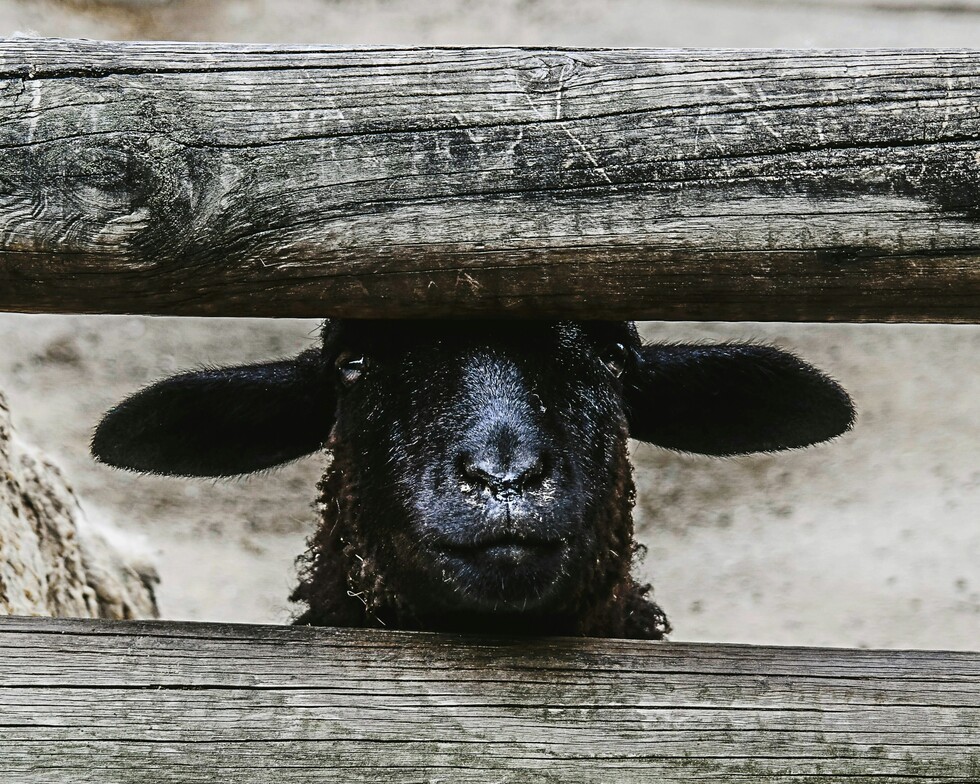
As a therapist, I often work with individuals who feel misunderstood or marginalized within their family systems. Two common terms that come up in these discussions are "black sheep" and "scapegoat." While both roles can lead to feelings of isolation and pain, they represent distinct dynamics within a family. Understanding the difference can be a crucial step in healing and establishing healthier relationships.
Let's explore these roles:
The Black Sheep
The "black sheep" is typically the family member who deviates from the established norms, values, or expectations of the family. They might pursue a different career path, have unconventional beliefs, or live a lifestyle that their family doesn't approve of or understand.
Here are some characteristics of the black sheep:
- Difference, not Blame: The black sheep is often seen as different, an outlier, or even a rebel. Their "otherness" is the primary source of their status within the family.
- Voluntary or Involuntary: Sometimes, individuals consciously choose a path that separates them from the family. Other times, their inherent personality or circumstances naturally lead them away from the family's preferred trajectory.
- Emotional Distance: There can be a sense of emotional distance, judgment, or even disappointment from the family towards the black sheep. This can lead to the black sheep feeling like they don't quite belong or are never fully accepted for who they are.
- Potential for Independence: While painful, this role can also foster independence and a strong sense of self in the black sheep, as they learn to navigate the world without constant family approval.
Imagine a family of doctors, and one child decides to become a performance artist. They might be labeled the black sheep. Or perhaps a family that values strict religious adherence, and one member becomes an atheist.
The Scapegoat
The "scapegoat," on the other hand, is the family member who is blamed for the family's problems, dysfunctions, or unspoken tensions. They become the recipient of the family's frustrations, anger, and anxieties. This role is far less about individual difference and much more about the family's inability to confront its own issues.
Here are some characteristics of the scapegoat:
- Blame and Projection: The scapegoat is actively blamed for issues that are often systemic within the family. Other family members project their own unresolved conflicts, insecurities, and failures onto the scapegoat.
- Target of Aggression: They can be the target of verbal aggression, criticism, and even emotional abuse. This can manifest as constant nitpicking, public shaming, or being held solely responsible for negative outcomes.
- Maintains Family Stability (Artificially): The scapegoat's role can inadvertently serve to maintain a fragile sense of stability in a dysfunctional family. By focusing all the blame on one person, the other family members avoid confronting their own contributions to the problems.
- Deep Emotional Wounds: Being a scapegoat can lead to profound emotional wounds, including low self-esteem, chronic anxiety, depression, and difficulty forming healthy relationships in adulthood. They may internalize the blame and believe there is something fundamentally wrong with them.
Consider a family struggling with marital conflict, but instead of addressing their issues, they constantly criticize and blame one child for "acting out" or "causing trouble."
Key Differences Summarized:
|
Feature |
Black Sheep |
Scapegoat |
|
Core Issue |
Difference from family norms/expectations |
Blamed for family's problems/dysfunction |
|
Family View |
"Different," "rebel," "outsider" |
"Problem," "cause of trouble," "blameworthy" |
|
Emotional Impact |
Feelings of not belonging, judgment, distance |
Feelings of shame, guilt, worthlessness, anger, anxiety |
|
Mechanism |
Deviation from family's path |
Projection of blame from other family members |
|
Agency |
Often has some agency in their differences |
Little agency; target of others' projections |
Healing and Moving Forward
Whether you identify as the black sheep or the scapegoat, recognizing these patterns is the first step toward healing.
- Acknowledge the Pain: Validate your own feelings and experiences. The pain associated with these roles is real and deserves attention.
- Set Boundaries: Learn to establish healthy boundaries with family members. This might involve limiting contact, refusing to engage in blame games, or clearly communicating your needs.
- Seek Support: Therapy can be incredibly beneficial in processing these experiences, building self-esteem, and developing coping mechanisms. A therapist can help you understand the family dynamics and empower you to break free from unhelpful patterns.
- Redefine Your Identity: Understand that your family's labels do not define you. You have the power to create your own identity and build relationships based on mutual respect and understanding.
Remember, you are not alone in these struggles. Understanding these family roles can be a powerful tool for self-discovery and a pathway to a more fulfilling and authentic life, free from the burdens of past family dynamics.

Jessica Butler
Contact Me